

DESTINATION THERAPY
BIPOC Therapy in Houston: Culturally Affirming Care
Finding the right therapist is hard enough. Finding a therapist who genuinely understands your cultural identity, the weight of racial trauma, and the complexity of navigating systems that were never designed with you in mind? That’s a different search entirely.
At Destination Therapy, our BIPOC-affirming therapy services are built for ambitious professionals and adults who are carrying a great deal and deserve care that honors the full picture of who they are. You should not have to explain your experience before the work can begin. You should not have to translate your reality for someone who is supposed to help you. You deserve a therapist who gets it.
UNDERSTANDING BIPOC THERAPY
What Is BIPOC Therapy?
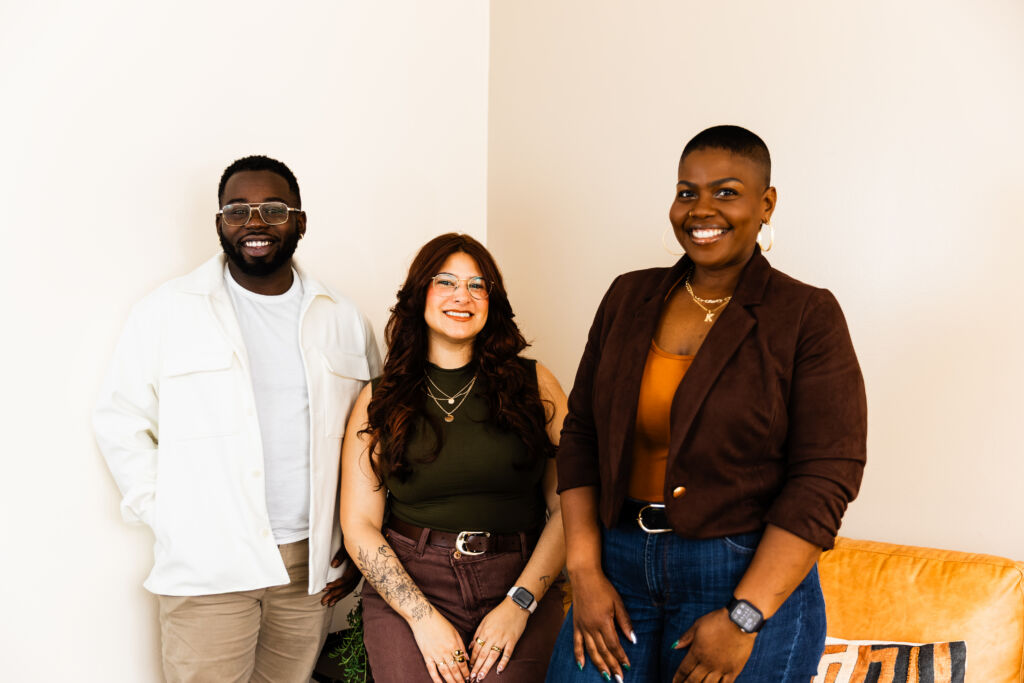
BIPOC therapy is a form of culturally affirming mental health care specifically designed for Black, Indigenous, and People of Color. The “BIPOC” designation signals an intentional acknowledgment that people from these communities face a distinct set of psychological stressors that traditional, Eurocentric therapy models were never designed to address.
These stressors include racial trauma (the psychological harm caused by direct or vicarious experiences of racism and discrimination), the chronic stress of code-switching across cultural contexts, intergenerational trauma passed through family systems shaped by historical violence, immigration and acculturation stress, and the particular exhaustion of navigating workplaces and institutions that consistently treat you as an outsider. Many of the BIPOC professionals we work with are high-achieving, dependable, and appear to have things under control on the outside, while carrying a level of internal weight that rarely gets acknowledged or addressed.
BIPOC-affirming therapy does not treat these experiences as background noise to work around. It treats them as central to your mental health, and as the legitimate, serious, clinical concerns they are.
What Makes BIPOC Therapy Different from General Therapy?
Traditional therapy was built on frameworks developed primarily by and for white, Western, middle-class populations. Many of the most widely used therapeutic models, including classic cognitive behavioral therapy and psychodynamic approaches, were validated on populations that do not reflect the lived experience of Black, Indigenous, or People of Color communities.
BIPOC-affirming therapy at Destination Therapy differs in four core ways:
Cultural Competence as a Baseline, Not a Feature. Your therapist understands systemic racism, immigration stress, colorism, code-switching fatigue, and community-based definitions of wellness. Not as academic concepts, but as lived realities that shape mental health outcomes for real people.
Validation Without Explanation. You should not have to educate your therapist on why your experiences are valid. BIPOC-affirming therapy starts from a position of belief. Your experiences are real, your stress responses make sense, and your identity is an asset, not a clinical variable to be neutralized.
Racial Trauma Is Treated as a Clinical Priority. Racial trauma, whether from a single acute incident or from the chronic accumulation of microaggressions, systemic inequity, and vicarious exposure, is recognized as a legitimate mental health concern and addressed directly within the therapeutic process.
Culturally Congruent Goal-Setting. Healing looks different across communities. BIPOC-affirming therapy respects that recovery and wellness may be defined differently in your cultural context, including values around family, community, spirituality, and intergenerational obligation that mainstream therapy often pathologizes or overlooks. We are a person-centered practice, which means you are the expert on your own life. We bring the clinical tools. You bring the direction.
Who Is BIPOC Therapy For?
BIPOC therapy at Destination Therapy is designed for ambitious adults and couples who want care that honors the full complexity of their identities and lived experience. Specifically, we work with:
- Black individuals and families navigating racial grief, identity development, generational trauma, and the specific mental health toll of anti-Black racism in professional and personal life
- Indigenous individuals processing historical and intergenerational trauma, cultural disconnection, and identity resilience
- People of Color broadly, including Latinx, Asian American, Middle Eastern, South Asian, and multiracial individuals facing the intersection of cultural identity, immigration stress, acculturation, and racial discrimination
- BIPOC professionals in predominantly white environments experiencing isolation, code-switching fatigue, imposter experience, or the compounded stress of being both high-achieving and underestimated
- BIPOC individuals in the LGBTQ+ community facing the compounding stressors of racial and gender identity navigation
- BIPOC couples working through relational challenges shaped by cultural context, family expectations, and shared racial stress
You do not need to be in crisis to benefit from BIPOC therapy. Many of our clients come seeking a space to process their experience, a place where cultural context is present in the room without needing to be explained, and where they can finally stop carrying everything alone.
Common Issues Addressed in BIPOC Affirming Therapy
At Destination Therapy, our culturally affirming therapists work with BIPOC clients on a range of concerns, including:
- Racial trauma and race-based stress, including acute incidents of discrimination and the chronic exposure to systemic racism in professional and community settings
- Anxiety, burnout, and chronic stress, often shaped by the dual pressure of high performance and the invisible weight of navigating a world that does not always make space for you
- Identity development, navigating Blackness, indigeneity, bicultural identity, and the complex terrain of mixed-race experience
- Intergenerational trauma, understanding and beginning to interrupt patterns passed through family systems shaped by historical and ongoing racial violence
- Perfectionism and self-worth, including internalized racism and the long-term effects of systemic messaging on how you see yourself
- Relationship and couples issues, with cultural sensitivity to family structures, community expectations, and shared racial experience
- Life transitions and career stress, particularly for BIPOC professionals navigating predominantly white institutions, inequitable power dynamics, or the pressure to outperform in order to be seen as equal
- Grief and loss, including community grief and the particular mourning that accompanies racial violence in the broader culture
What to Expect: Our Approach at Destination Therapy
Beginning therapy can feel like a significant step, especially if you have had experiences with therapists who did not understand your background or did not validate your cultural reality. Our intake process is designed to be straightforward, low-pressure, and respectful of your time.
Step 1: Book Your Free Matching Call. Every person who reaches out deserves to be matched with the right therapist from the start. The first step is to schedule a free matching call with our Intake Coordinator. You can book directly using the link on this page.
Step 2: Your Matching Call. During the call, our Intake Coordinator will ask a few thoughtful questions about what is bringing you to therapy, what kind of support you are hoping for, and any preferences you may have for your therapist. This is a no-pressure conversation designed to help us understand your needs and explore the best fit. Cultural fit matters here. You are not obligated to move forward, and we expect you to be discerning.
Step 3: Meet Your Therapist and Begin. If you are ready to move forward, we will match you with a clinician on our team, schedule your first intake session, and help you feel prepared to begin. From there, therapy is built around your specific needs, goals, and cultural context. We draw on multiple evidence-based approaches, adapted for relevance to your actual life. Progress is defined by you.
Why Houston BIPOC Clients Choose Destination Therapy
Houston is one of the most diverse cities in the United States, and that diversity comes with a full spectrum of mental health needs that generic therapy practices are simply not equipped to meet. Destination Therapy was built to be something different: a warm, affirming, boutique practice where BIPOC clients can bring their full selves and feel genuinely seen, without having to translate their experience before the work can begin.
We offer:
- Culturally affirming individual therapy for BIPOC adults
- BIPOC-specific couples counseling
- Group therapy for BIPOC clients
- LGBTQ+ affirming therapy with BIPOC-centered awareness
- A genuine commitment to cultural competence as a living practice, not a marketing phrase
- Care that is not shaped by insurance requirements, so treatment stays focused on what you actually need
We know that for many BIPOC individuals, the decision to seek therapy carries its own cultural weight. The stigma around mental health in communities of color, questions about whether therapy is “for people like us,” the very real fear of being misunderstood by a therapist who does not share your frame of reference, and for many, the exhaustion of already holding so much. We take that weight seriously. And we believe you deserve a space where it can finally be put down.
How to Find a BIPOC Therapist in Houston
If you are searching for a BIPOC therapist in Houston, here are the most reliable paths:
1. Search BIPOC-specific directories. Platforms like Inclusive Therapists, Therapy for Black Girls, and the National Queer and Trans Therapists of Color Network maintain curated listings of culturally affirming providers.
2. Ask directly about cultural competence. In any initial call or conversation, it is entirely appropriate to ask about a therapist’s experience with BIPOC clients, their training in cultural humility, and their familiarity with racial trauma frameworks.
3. Trust your first session response. Cultural fit matters. You deserve a therapist who does not make you feel like a teaching moment.
4. Reach out to Destination Therapy. We offer a free matching call with our Intake Coordinator so you can explore the fit before committing to anything. Schedule directly at the link on this page, or call us at (346) 266-2912.
OUR TEAM
Meet Our Therapists
Every therapist at Destination Therapy brings cultural competence, lived understanding, and clinical expertise to the work. We are not just trained in affirming care. We practice it, with warmth, compassion, and a genuine commitment to helping each client feel deeply seen.

FOUNDER
Monique Dunn, LCSW-S
LEAD CLINICIAN
Tabitha Durr, LMFT
THERAPIST
Kedian Dixon, LMHC, LPC
Kedian works with individuals and couples, bringing a culturally grounded approach to relationships, identity, and navigating the added pressure of predominantly white professional environments.
THERAPIST
Carolina Romero, LPC, NCC
GRADUATE STUDENT INTERN
Tyrion Austin
Tyrion works with adults navigating anxiety, perfectionism, burnout, and identity questions in a warm, LGBTQ+ and BIPOC-affirming space. He draws from person-centered therapy, narrative therapy, and CBT, and offers lower-fee sessions at $50 under clinical supervision.
COMMON QUESTIONS
Frequently Asked Questions About BIPOC Therapy in Houston
What does BIPOC stand for?
BIPOC stands for Black, Indigenous, and People of Color. It’s a term used to center the particular experiences of Black and Indigenous communities while acknowledging the broader shared experience of people of color navigating racial inequity.
What is a BIPOC therapist?
A BIPOC therapist is a mental health professional who specializes in, or is specifically affirming of, the experiences, cultural contexts, and mental health needs of Black, Indigenous, and People of Color clients. Many BIPOC therapists share the cultural identities of their clients. Others bring deep cultural humility and specialized training in culturally affirming care.
What are the benefits of BIPOC therapy?
The primary benefit is relevance. Therapy is most effective when the therapeutic relationship feels safe and the work feels applicable to your actual life. For BIPOC clients, that means working with a therapist who understands racial trauma, cultural identity, community, and the specific stressors that shape mental health in communities of color, without having to explain or defend that context in every session.
Why is it important to have a BIPOC therapist?
Research consistently shows that therapeutic outcomes improve when clients feel culturally understood. For BIPOC clients, that often means working with a therapist who has lived or deeply studied the cultural experience, someone who recognizes racial stress as a legitimate clinical concern rather than a complication to work around.
What is BIPOC therapy and how is it different from general therapy?
BIPOC therapy is a form of culturally affirming mental health care specifically designed for Black, Indigenous, and People of Color. Traditional therapy was built on frameworks developed primarily by and for white, Western, middle-class populations. BIPOC-affirming therapy at Destination Therapy differs by treating cultural competence as a baseline, validating experiences without requiring explanation, addressing racial trauma as a clinical priority, and respecting culturally congruent definitions of healing.
Do you offer therapy for BIPOC clients who also identify as LGBTQ+?
Yes. BIPOC individuals in the LGBTQ+ community face compounding stressors from navigating both racial and gender or sexuality identity. Our therapists are trained in both racial and gender-affirming frameworks, and we approach these identities as distinct but intersecting, not as a single category.
Does Destination Therapy offer group therapy for BIPOC clients?
Yes. Destination Therapy offers group therapy options for BIPOC clients. Group settings provide a shared space where participants can process their experiences alongside others who understand the cultural context without needing it explained. Contact us for current group availability and schedules.
What should I expect in my first session at Destination Therapy?
Your first full session is a collaborative conversation. We gather relevant history, discuss your goals, and begin to understand your experience in its full context, including the cultural, familial, and social factors shaping your wellbeing right now. It’s not a checklist. It’s a conversation designed to see you fully.
GET STARTED
Ready to Begin?
You do not have to keep holding it all together alone. You deserve a therapist who does not make you feel like a teaching moment, and care that is as serious about your cultural reality as it is about your mental health. The first step is a free matching call with our Intake Coordinator. It is a no-pressure conversation designed to understand your needs and find the right fit. No commitment required.
Destination Therapy serves BIPOC clients in Houston and the surrounding area, with telehealth available across Texas, California, Utah, Massachusetts, and New York. We offer individual therapy, couples counseling, group therapy, and LGBTQ+ affirming services with cultural competence at the center of every session.
Prefer another way? Call us at (346) 266-2912 or submit a request on our Contact page.

About Destination Therapy
Destination Therapy is a warm, affirming, boutique counseling practice in Houston, TX, dedicated to helping ambitious professionals and couples build healthier relationships, strengthen boundaries, and navigate life with more relief, balance, and ease. Our clinicians bring deep cultural competence and a genuine commitment to anti-racist, person-centered care, creating a space where every client can show up fully and feel genuinely seen. With flexible scheduling, in-person sessions in Houston, and telehealth available across Texas, California, Utah, Massachusetts, and New York, we make it simple to take that first step toward a life that feels more grounded and more like your own.
Destination Therapy provides BIPOC-affirming therapy in Houston, TX and via telehealth for clients in Texas, California, Utah, Massachusetts, and New York. Monique Dunn, LCSW-S; Tabitha Durr, LMFT; Kedian Dixon, LMHC, LPC; Carolina Romero, LPC, NCC. Lower-fee sessions available with Tyrion Austin (Graduate Student Intern, Clinical Mental Health Counseling, supervised), in-person Houston and telehealth Texas only. For clinical emergencies, contact 988 (Suicide & Crisis Lifeline) or your nearest emergency room. This page is for informational purposes and does not constitute a therapeutic relationship.